
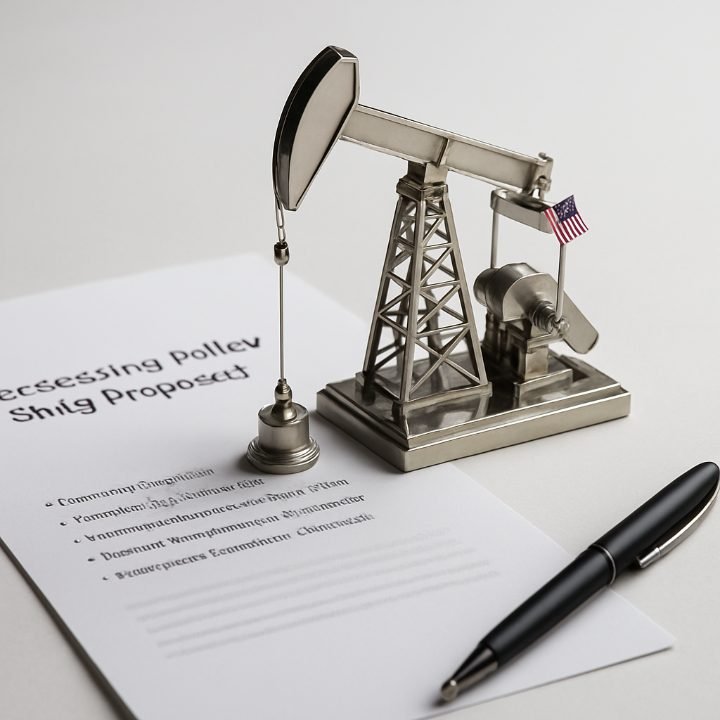
Assessing the Impact of Recent Policy Proposals on the Petroleum Industry
The petroleum industry is currently navigating a complex landscape shaped by evolving policy proposals and actions at the highest levels of government. Among these, recent initiatives associated with Donald Trump have attracted attention for their potential to influence both domestic energy production and the broader global oil market. Understanding these developments requires a careful examination of their economic and geopolitical implications, as well as the challenges and opportunities they present to energy businesses worldwide.
Contextualizing Policy Shifts in the Petroleum Sector
Energy policy proposals linked to Donald Trump have historically emphasized increased domestic oil production, deregulation, and a focus on energy independence. While specific recent proposals vary, their general orientation tends to support expanded exploration and development of fossil fuel resources. This approach contrasts with broader global trends toward energy transition and decarbonization, creating a distinctive dynamic within the petroleum sector.
Such policies typically aim to reduce regulatory barriers, potentially accelerating project timelines and lowering operational costs for oil producers. They also often include measures to promote infrastructure development, including pipelines and export facilities, which can enhance the efficiency and reach of petroleum supply chains.
Economic Implications for the Petroleum Industry
From an economic perspective, policy measures that encourage increased production can have several effects. Increased supply capacity may contribute to greater market liquidity and potentially influence oil prices, depending on global demand conditions and actions by other major producers. For energy companies, these policies may create opportunities to expand operations, invest in new projects, and improve profitability.
However, the petroleum industry also faces inherent challenges amid these developments. Market volatility, fluctuating global demand, and competition from alternative energy sources remain critical considerations. Furthermore, the balance between short-term production gains and long-term sustainability is a persistent tension, as companies and investors weigh regulatory environments against evolving consumer and investor preferences.
Geopolitical Dimensions and Global Oil Markets
The geopolitical impact of policy proposals favoring increased U.S. oil production extends beyond national borders. Enhanced American output can alter the balance of power in global oil markets by shifting supply dynamics and affecting the influence of traditional oil-exporting nations. This may lead to strategic recalibrations among key players, including adjustments in production quotas and diplomatic engagements related to energy security.
Moreover, these policy directions can affect international energy trade patterns. Expanded U.S. exports might diversify supply sources for importing countries, potentially reducing their reliance on certain regions. This diversification can have broader geopolitical ramifications, influencing alliances and economic dependencies linked to energy resources.
Challenges and Opportunities for Energy Businesses
Energy companies operating within this environment must navigate a range of challenges, including regulatory uncertainty, infrastructure constraints, and the evolving expectations of stakeholders regarding environmental and social governance. Adapting to policy changes requires strategic agility and an ability to manage risks associated with fluctuating market conditions.
At the same time, these developments present opportunities. Companies positioned to leverage regulatory easing may accelerate project development and capitalize on improved market access. Additionally, the potential for increased exports can open new revenue streams and foster partnerships in emerging markets.
Balancing these factors demands a nuanced approach, incorporating both short-term operational considerations and long-term strategic planning. Energy businesses that effectively integrate policy analysis with market intelligence are better equipped to respond to the shifting landscape.
Looking Ahead
As policy proposals continue to evolve, their influence on the petroleum industry will remain a subject of close observation. The interplay between domestic energy strategies and global market forces underscores the complexity of the current environment. For stakeholders across the energy sector, understanding the economic and geopolitical dimensions of these developments is essential to navigating future opportunities and challenges.